
As this year draws to a close, people around the world will soon uphold their unique cultural traditions to welcome and celebrate the New Year’s arrival.
Saying goodbye to the old and embracing the new remains universal, but how different communities do so annually is as diverse as cultures themselves. Below, scroll through some of those unique New Year’s traditions found in different parts of the world. They offer a glimpse into the rich diversity of global celebrations.
Leaping Into The New Year In Denmark

Denmark has several New Year’s traditions, but one of its most unique literally launches you into the new year. When the clock strikes 12 on New Year’s Day, Danes jump off a chair or sofa. If you’re clumsy, or have been drinking, be sure to be extra careful when making your leap. The superstition attached to the movement is that those who stick their landing will have good luck in the new year. Meanwhile, those who forget or forgo their midnight jump – or fall over during the process – could have bad luck.
Banging Pots And Pans In Ireland

If you want to ward off evil spirits that want to linger around into the new year, this Irish tradition may serve you well. It calls for banging pots and pans at midnight, transitioning from New Year’s Eve into New Year’s Day. The tradition is a form of protection, believed to scare off bad spirits and fortunes that aren’t invited to trail into your next 12 months.
Starting Off On A Good Foot In Argentina

In Argentina, starting the new year on a good foot is taken literally. A unique tradition is that the first step taken on New Year’s Day, following midnight, is with one’s right foot. The goal of the tradition is to secure your good luck in the new year by starting it off right. The move also symbolizes entering a new beginning with an intention of good spiritedness.
Throwing Out Old, Dirty Water In Cuba

Cubans also have their own unique way of warding off bad energy as the new year approaches. Their tradition is to take old, dirty water from inside the house and chuck it out of windows and balconies into the street on New Year’s Eve. The action represents getting rid of old things that don’t serve them as they prepare to enter the new year.
Welcoming Ancestors In Ireland

The Irish don’t only make an effort to ward off bad spirits and fortune ahead of the new year. It’s also common for them to intentionally welcome good spirits (such as their ancestors) and embrace positive energy. It’s customary to light a candle in the window to guide beloved ancestors back home, leave the door unlocked, and set an extra place setting for the deceased at New Year’s Eve dinner.
Grapes Of Good Fortune In Spain
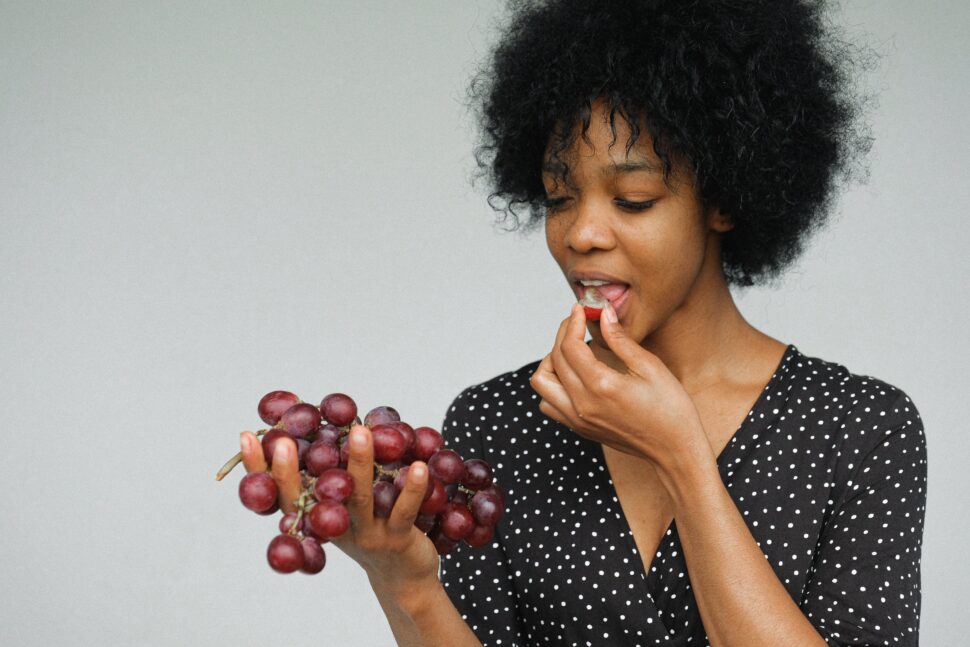
In Spain, New Year’s celebrations are accompanied by a tradition known as the “12 Grapes of Luck.” Spaniards believe that eating 12 grapes as the clock chimes 12 times brings good luck for each month of the coming year. This tradition goes back centuries and has become a lively and anticipated event, with people gathering in public squares to partake in the grape-eating ritual.
Sporting Red Undies In Italy
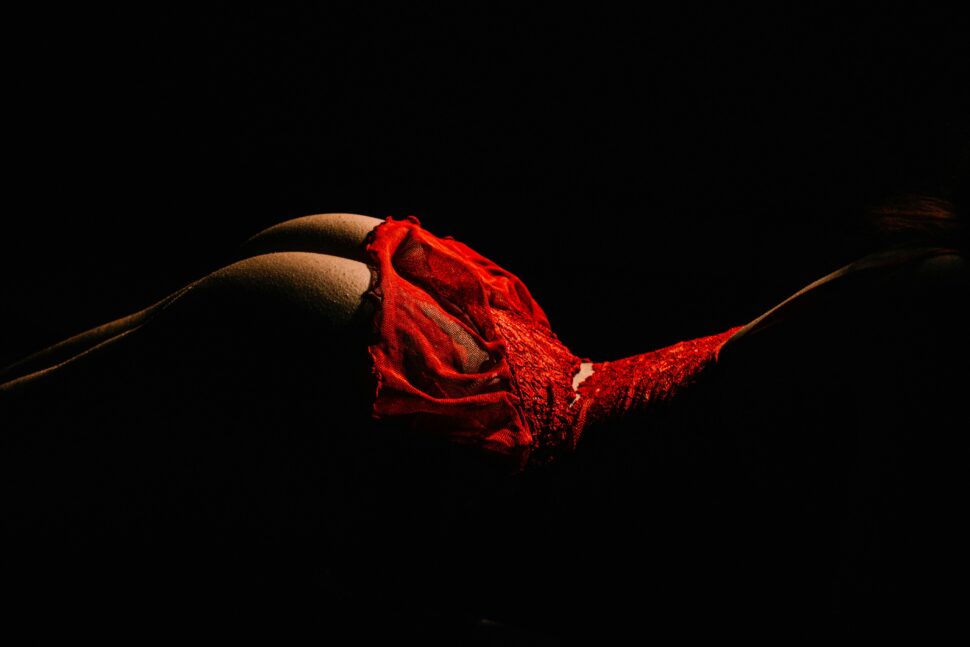
In Italy, men and women wearing red underwear on New Year’s Eve is believed to secure love, passion, and success in the next 12 months. The red underwear is believed to be like a good luck charm, setting you up for all things good in the new year. The custom is also practiced in Spain to invoke similar manifestations of passion, love, and luck.
Burning Effigies In Ecuador
In Ecuador, the new year is greeted with the symbolic burning of effigies known as “Año Viejo” or “Old Year.” These effigies are set ablaze to represent the cleansing of the old and the welcoming of the new. The effigies often represent public figures or personal grievances from the past year. The act is believed to bring good luck and a fresh start. This tradition makes New Year’s celebrations in Ecuador a unique and cathartic way to bid farewell to the past.
First-Footing In Scotland

Scotland has a tradition known as “first-footing.” Per the custom, the first person to enter a home after midnight is considered a harbinger of good fortune. This “first-footer” traditionally brings symbolic gifts such as coins, bread, salt, and whisky to ensure prosperity, food, flavor, and good cheer. It’s a tradition emphasizing the importance of hospitality and positive energy for the year ahead. Ideally, per tradition, the person entering the home for the first time is a dark-haired male.
Broken Plates In Denmark

One of Denmark’s other New Year’s Eve customs is a communal tradition called “smashing plates.” Friends and family collect old and unused dishes throughout the year, and on New Year’s Eve, they hurl these dishes against the doors of their loved ones’ homes. The more broken dishes on your doorstep, the more popular you are believed to be. The tradition is seen as a way to start the new year with a clean slate and strong social bonds.
Ringing The Temple Bells In Japan
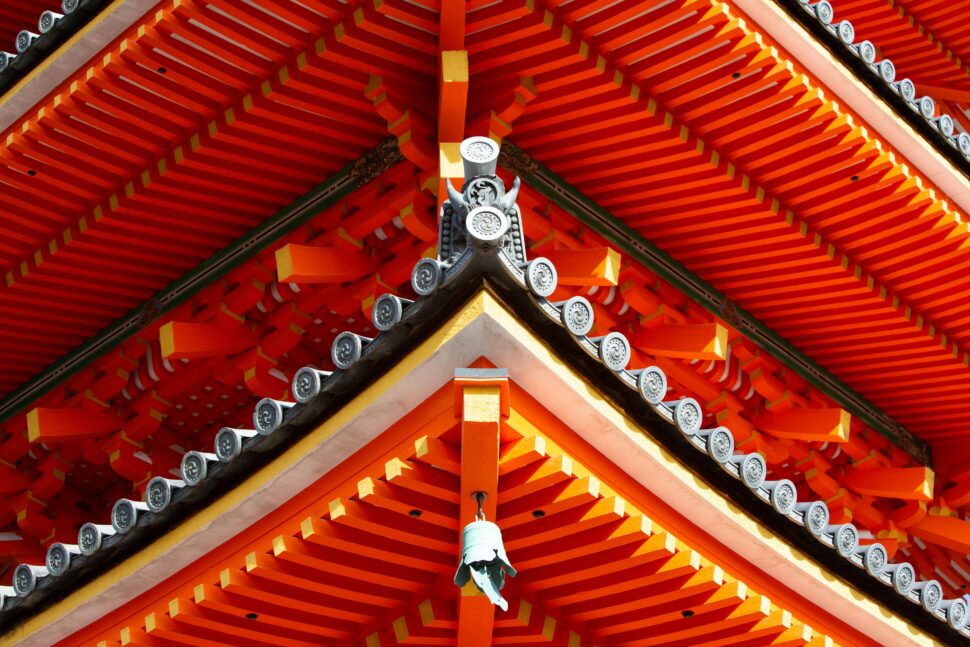
In Japan, the new year is traditionally welcomed with the ringing of temple bells at midnight on December 31. Known as “Joya no Kane,” or “midnight bell,” this ritual involves the ringing of Buddhist temple bells 108 times. In Buddhist belief, the bells symbolize the 108 human sins. The chimes are believed to purify the listeners and bring them into the new year with a cleansed spirit.
Jumping Waves In Brazil

In Brazil, New Year’s is celebrated by jumping over seven waves in the ocean to bring good luck for the upcoming year. The beaches are filled with people wearing white and enjoying fireworks displays. Dressing in white symbolizes peace and is a common tradition in Brazil during New Year’s Eve. It is believed to bring purity and positive energy for the year ahead.
Many also offer flowers and gifts to Yemanjá (the goddess of the sea) to seek her blessings and protection. This tradition is particularly popular in coastal cities like Rio de Janeiro and Salvador, where large crowds gather near the shore to make their offerings and celebrate the New Year’s arrival.
Celebrating The Circular In The Philippines
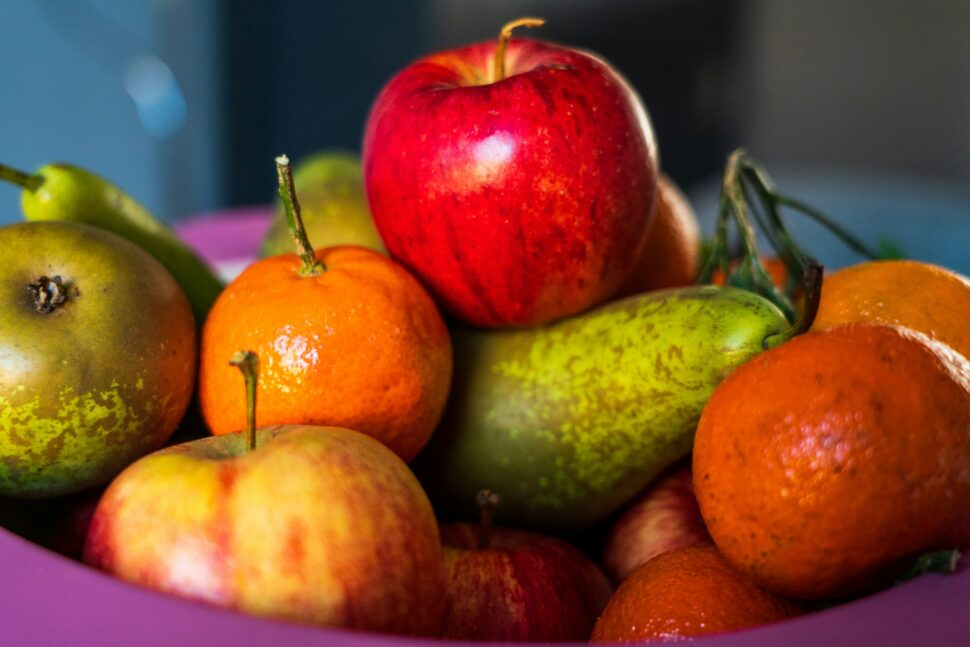
This Filipino tradition incorporates round objects in one’s clothing and food. Rounded, circular objects are believed to symbolize prosperity and financial wealth, as the circle is the shape of a coin. Moreover, circles can represent eternal and continuous unity, which is nice to manifest for one’s relationships and familial ties going into the new year. This tradition might be practiced through wearing polka dot prints and placing 12 round fruits in the home’s dining room on New Year’s Eve. The fruits might include apples, oranges, longans, watermelon, and pomelos.
12 Moments Of Silence In Russia
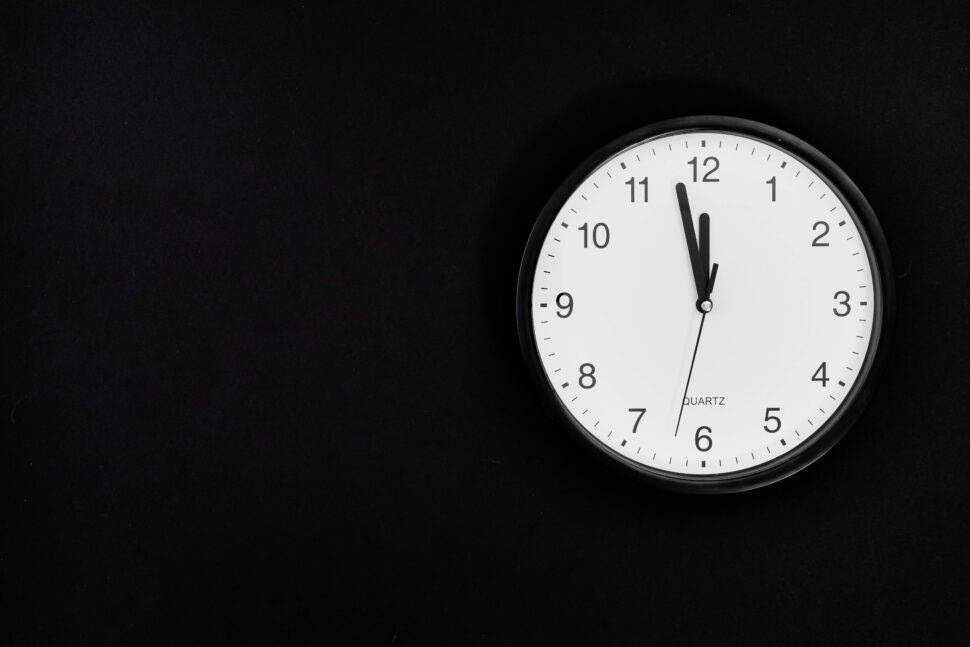
Before the clock strikes midnight, marking the new year, it’s common in Russia to pause for a 12-second moment of silence. During that time, those practicing the tradition quietly reflect on the last year and make wishes for the one to come.
Eating Soup Joumou In Haiti
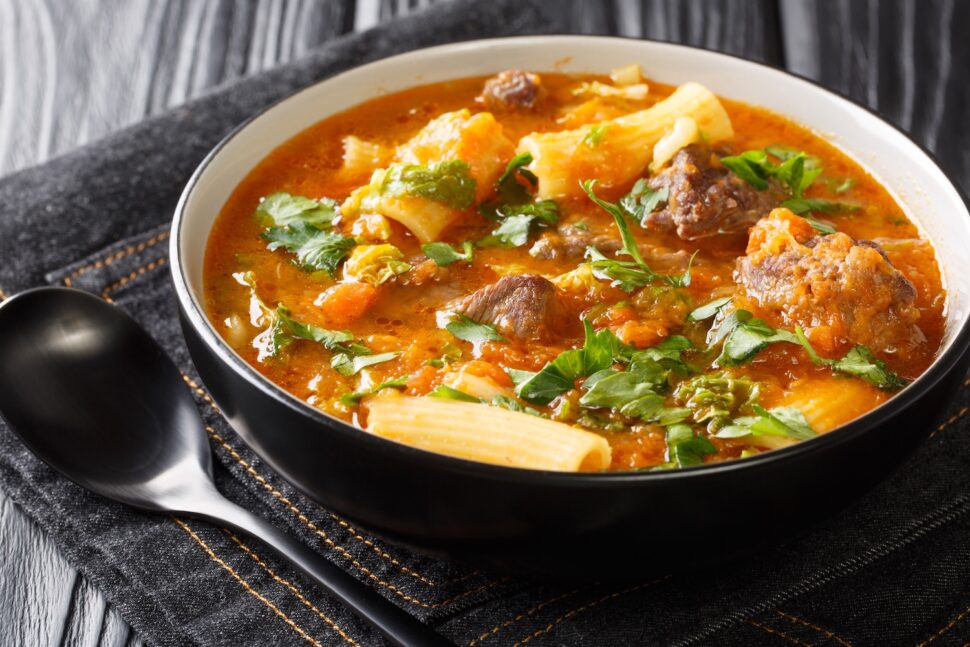
January 1 is New Year’s Day, but for Haitians, it’s also their country’s Independence Day. Soup joumou is a pumpkin-based dish with beef and veggies eaten on the first day of the year. The soup is a symbol of Haitians’ January 1, 1804, independence and freedom from French colonial rule.
Enslaved Africans in the Caribbean country, formerly Saint-Domingue, were previously prohibited from eating soup joumou despite being the ones who prepared the savory dish for French colonizers and enslavers. Following Haiti’s freedom, the soup remains a testament to its liberation.
Smashing Pomegranate In Greece
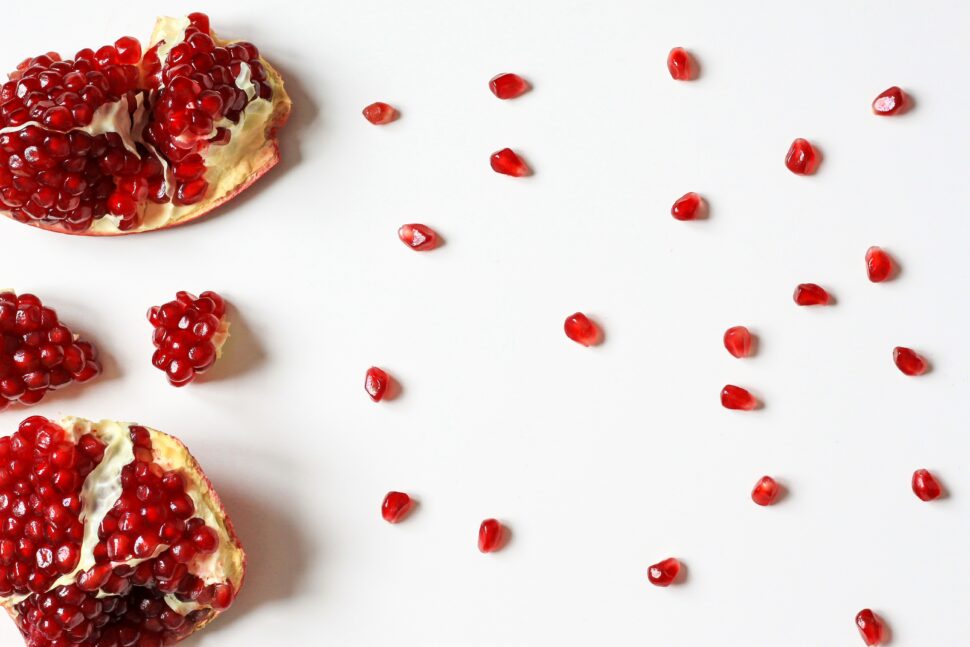
The New Year’s tradition of smashing pomegranates in Greece is ancient. The custom includes the head of household on New Year’s Eve or New Year’s Day smashing the fruit at the home’s front door. The more seeds dispersed, the merrier, as they symbolize fertility, prosperity, and good fortune for the new year. The practice is similarly celebrated in Turkey.
Throwing Out Old Appliances And Furniture In South Africa

Some celebrate New Year’s by throwing their old furniture or appliances out of the window. Particularly in the Hillbrow neighborhood of Johannesburg, chucking the old home goods is a way of starting the new year fresh without harboring any old, unwanted energy.


